Tego Calderon Syllabus


- Description
- Curriculum
- FAQ
- Notice
- Grade
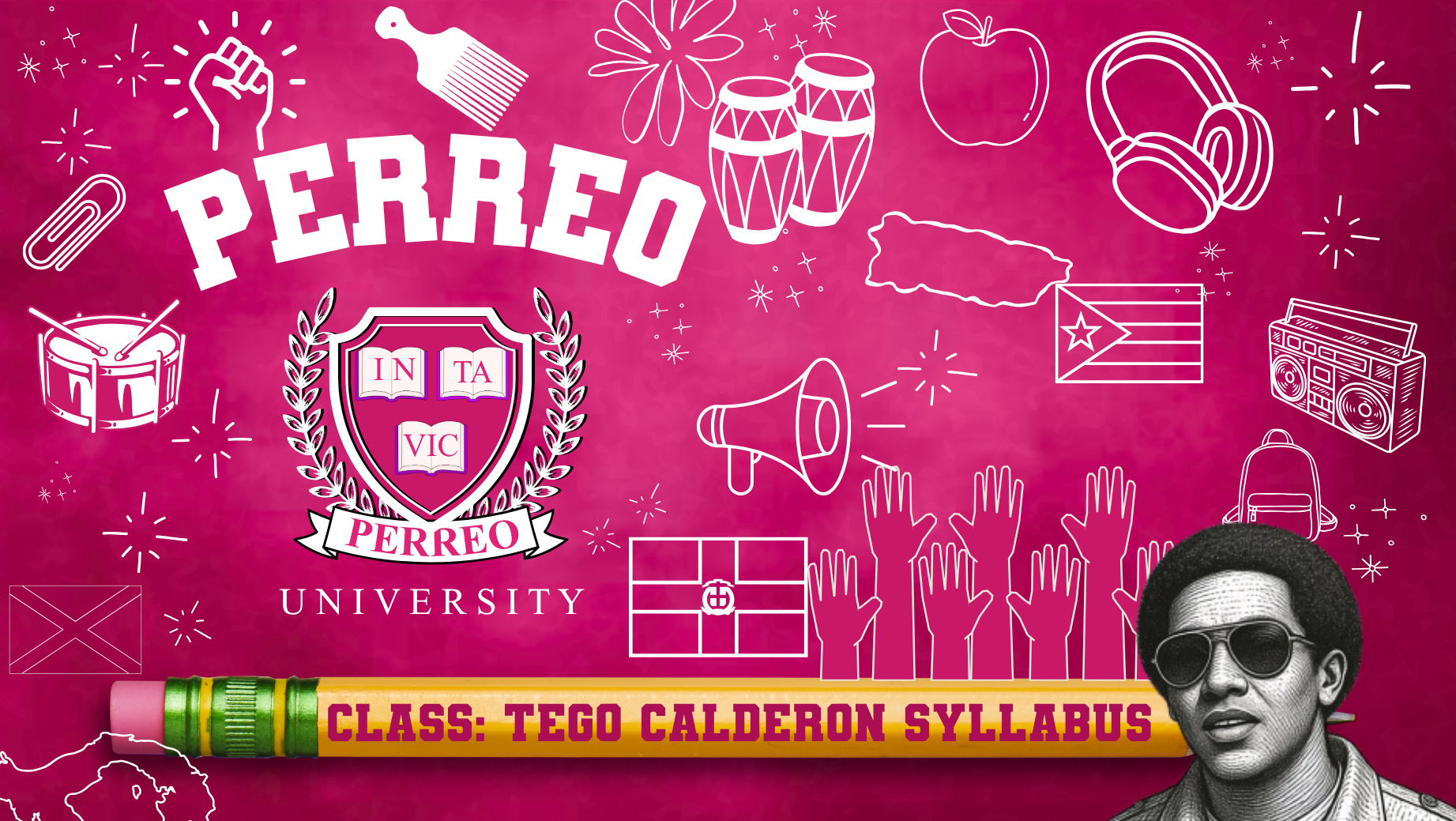
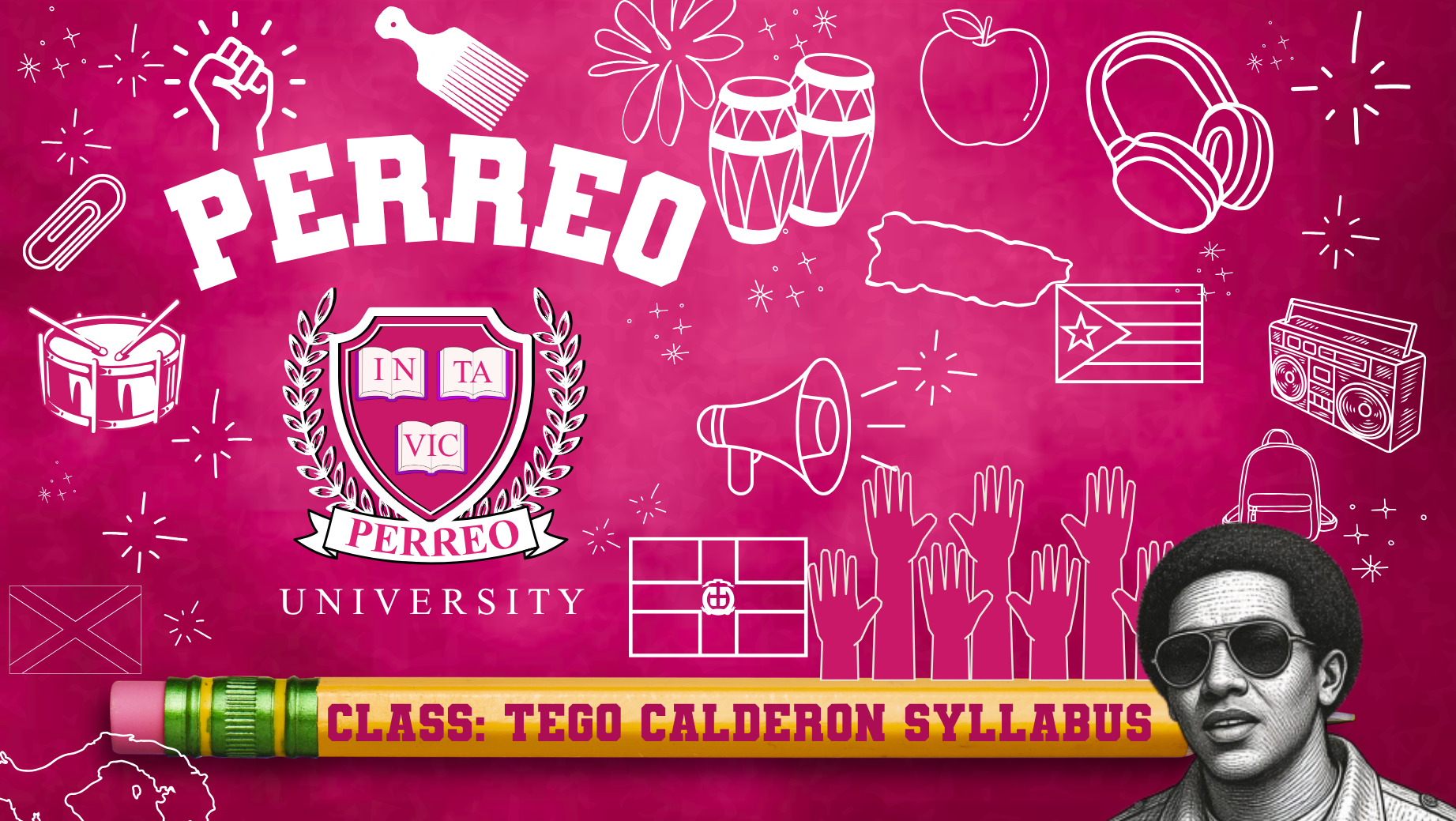
This course examines the life, artistry, and legacy of Tego Calderón, one of the most influential voices in reggaeton and a cultural icon of Afro-diasporic pride. Through lyrical analysis, historical context, and critical discussions, students will explore how Calderón’s work redefined the possibilities of reggaeton as both a musical movement and a vehicle for political expression. The class highlights Tego’s contributions as the pinnacle of Black excellence in the genre, centering his insistence on representing Afro–Puerto Rican identity, challenging colorism, and bridging the traditions of salsa, hip hop, and Caribbean rhythms with socially conscious lyrics.
-
1
 UNDERSTANDING & ANALYZING MEDIA
You interact with media almost every waking hour.
The song playing while you get dressed is media. The billboard you pass outside is media. A TikTok video is media. A podcast is media. A breaking-news alert is media. A meme sent in a group chat is media. A movie, advertisement, Instagram Story, YouTube video, newspaper article, music video, livestream, photograph, political advertisement, and AI-generated image are all forms of media.
But consuming media and understanding media are two different things.
Media literacy gives us tools for understanding what we are actually looking at, listening to, sharing, and creating.
-
2
THE EVOLUTION OF ROOTS
-
The Diversity of Reggaeton: Exploring the origins, evolution, and defining characteristics of Romantiqueo, Bachatón, Malianteo, Bhangratón, and Bellakeo.
-
Musical Influences & Production: Analyzing how R&B, bachata, hip-hop, South Asian music, and Caribbean rhythms have shaped reggaeton's distinct subgenres.
-
Cultural Identity & Lyrical Expression: Examining how romance, sexuality, street narratives, and cross-cultural influences contribute to reggaeton's musical diversity and evolution.
-
-
3
 Quiz: MEDIA LITERACY BASIX
-
4
THE FIGURES OF REGGAETON
An overview of the historic figures of the genre
• Jamaica
• Panama
• Puerto Rico
• Dominican Republic
-
5
PERREO COMBATIVO
The analysis of historic femme icons in reggaeton highlights how women like Ivy Queen and Glory paved the way in a male-dominated industry by asserting presence, voice, and authority within the genre. Their contributions are studied as acts of cultural resistance that reshaped reggaeton’s narratives around gender, power, and representation.
-
6
EVERY MESSAGE HAS A PURPOSE
Media is created for reasons.
A media message may attempt to:
INFORM
A weather report tells you that a storm is approaching.
ENTERTAIN
A comedy series tries to make you laugh.
PERSUADE
An advertisement tries to convince you to purchase something.
EDUCATE
A documentary may explain a historical event.
EXPRESS
A musician may communicate an emotion or experience.
BUILD COMMUNITY
An online community may connect people around a shared interest.
GENERATE ATTENTION
A provocative headline may be designed primarily to make you click.
MAKE MONEY
Content may generate advertising, subscription, ticket, merchandise, affiliate, or sponsorship revenue.
And media can have multiple purposes simultaneously.
A documentary can educate and entertain.
A podcast can inform while making money from advertisements.
An influencer can entertain while selling a product.
A music video can express an artistic idea while marketing a song.
Media literacy requires us to ask:
Why was this created?
-
7
EVERY MESSAGE HAS AN AUDIENCE
Media is also created with audiences in mind.
Consider an advertisement for a luxury watch.
Its creators make decisions about:
-
Language
-
Music
-
Actors
-
Locations
-
Clothing
-
Colors
-
Editing
-
Platform
-
Price
-
Cultural references
Those decisions help communicate with a particular audience.
A TikTok advertisement targeting teenagers may look very different from a magazine advertisement targeting wealthy professionals.
Understanding the intended audience can help explain why a media message looks and sounds the way it does.
Ask:
Who is this for?
Then ask:
What makes me think that?
-
-
8
DIFFERENT PEOPLE CAN INTERPRET THE SAME MEDIA DIFFERENTLY
Media does not automatically produce the exact same meaning for everyone.
People interpret messages through their own experiences.
Age, culture, language, education, nationality, community, personal experiences, values, interests, and knowledge can all affect interpretation.
Imagine two people watching the same music video.
One person recognizes a cultural reference immediately.
Another has never encountered it.
One considers the video nostalgic.
Another considers it completely new.
Neither person literally watched a different video.
They brought different experiences to the video.
Media literacy therefore isn't simply about discovering the one "correct" interpretation of every message.
It also involves asking:
Why did I interpret this message this way?
That question introduces an important part of media literacy:
examining ourselves as well as the media.
COURSE NOTICE
Tego Calderón: The Syllabus is an independent educational course offered for purposes of education, scholarship, criticism, commentary, and cultural analysis.
This course is not affiliated with, sponsored by, endorsed by, or officially associated with Tego Calderón, his representatives, record labels, publishers, or other rights holders, unless expressly stated otherwise.
References to artists, songs, albums, photographs, audiovisual works, trademarks, and other third-party materials are used solely within an educational and analytical context. All respective copyrights, trademarks, and other intellectual property rights remain the property of their respective owners.
Enrollment grants access to course materials for individual, personal, non-commercial educational use only. Course materials may not be recorded, copied, reproduced, downloaded where prohibited, redistributed, republished, sold, publicly displayed, or used to create derivative educational or commercial products without prior written authorization.
By accessing this course, students agree to comply with Perreo University’s applicable Terms, Intellectual Property Policy, and student policies.
Students will analyze Calderón’s discography, music videos, interviews, and live performances alongside scholarship on race, colonialism, and cultural identity in Puerto Rico and the broader Latin American diaspora. The course will also consider his impact on subsequent generations of artists and the global trajectory of reggaeton.
- No prerequisites required. This course is open to students at all levels of familiarity with Tego Calderón, reggaeton, or Caribbean music history.
- Complete all assigned modules. Students are expected to work through the required lectures, readings, listening selections, videos, and archival materials.
- Active listening is essential. Students should engage closely with selected recordings, paying attention to lyrics, production, genre, language, musical influences, and historical context.
- Come ready to think critically. The course examines Tego Calderón’s work through race, Blackness, Puerto Rican identity, the Caribbean diaspora, class, politics, representation, and the development of reggaeton.
- Complete required reflections and assessments. Students must submit assigned responses, quizzes, discussions, or other coursework to qualify for completion.
- Respect the classroom and its materials. Course materials are provided for individual educational use and may not be copied, reproduced, recorded, redistributed, or commercially exploited without authorization.
- Engage with cultural context. Students are expected to approach Afro-Caribbean history, language, identity, and lived experience with curiosity, respect, and a willingness to challenge assumptions.
No previous academic study of reggaeton is necessary—just headphones, an open mind, and a willingness to listen beyond the beat.
Intended Audience
Tego Calderón: The Syllabus is designed for anyone interested in reggaetón, Caribbean culture, Afro-Latin identity, music history, and the cultural impact of one of the genre’s most influential artists.
The course is ideal for:
-
Reggaetón and Latin music fans who want to go deeper than the music itself.
-
Students interested in Caribbean, Afro-Latin, and diasporic culture.
-
Aspiring artists, producers, DJs, writers, and music industry professionals.
-
Anyone interested in how music can challenge stereotypes and reshape cultural narratives.
-
Fans of Tego Calderón who want to understand his artistry, influences, and legacy.
-
Students exploring identity, race, class, politics, and representation through popular culture.
-
Anyone curious about the history and evolution of reggaetón and its connection to the Caribbean diaspora.
No prior knowledge of Tego Calderón, reggaetón, or music studies is required. The course is built for both longtime fans and newcomers ready to listen, question, and learn.